Learn About Mud Volcanoes in Baratang
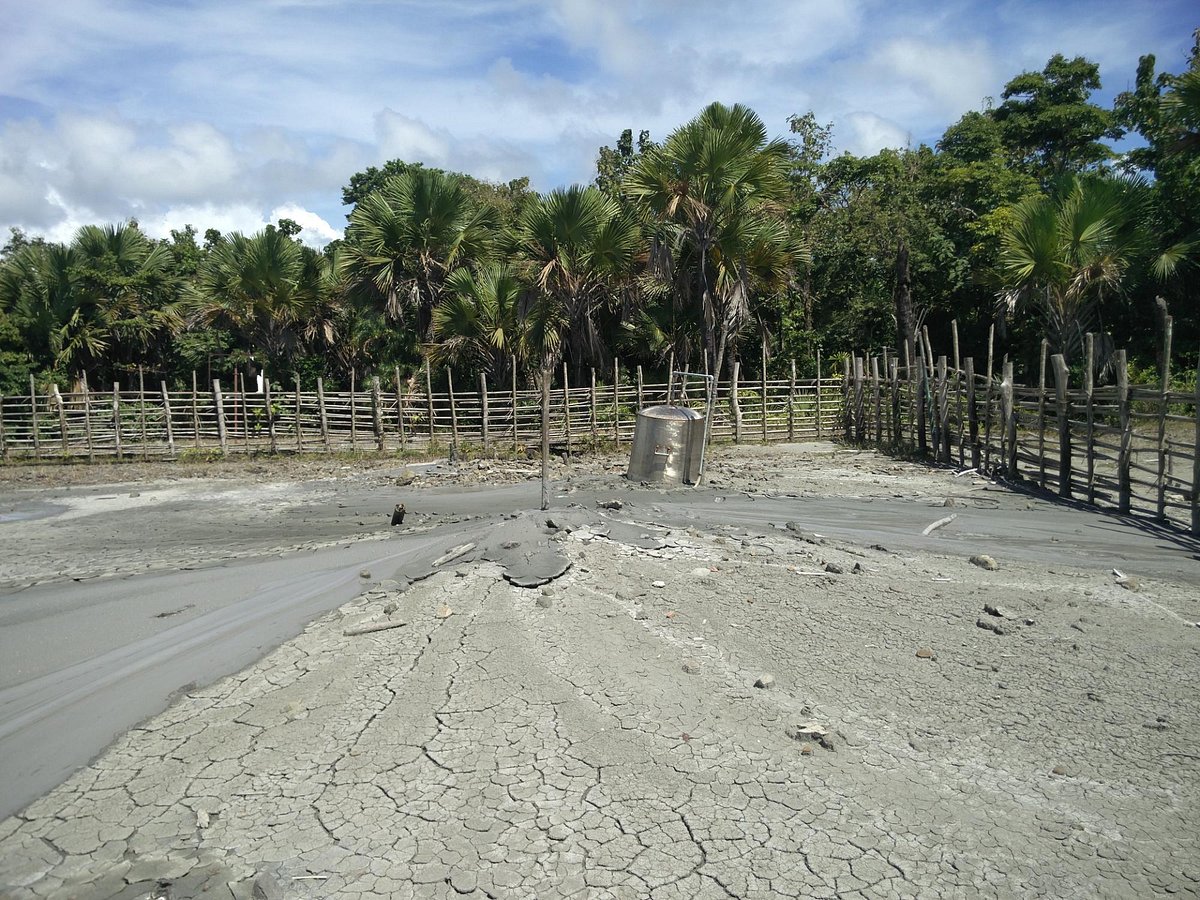
Though not visually dramatic, the Mud Volcanoes resemble small, dry, bubbling mud pools. What they lack in visual splendor, they make up for with geological intrigue. They are formed by the release of gases like methane and depressurized water caused by the breakdown of organic material deep beneath the Earth’s surface. Unlike lava-spewing volcanoes, these formations result from subtle, slow-moving processes that highlight the complex interplay between Baratang’s natural environment and the geological forces below.
Out of the 25 active mud volcanoes in Andaman, nine are located on Baratang Island, with others on Diglipur Island. Tourists frequently visit both islands to witness this rare natural occurrence. These volcanoes serve as a captivating display of Earth’s ongoing transformation and natural beauty.
History of Baratang Mud Volcano
While there is no formal historical record, the mud volcanoes have long been a part of local oral traditions, especially among indigenous tribes like the Jarawa. The volcanoes’ periodic activity has been observed for generations.
Scientific recognition began in the latter half of the 20th century when researchers started studying their formation. Over time, this scientific interest led to the development of tourist-friendly infrastructure, such as boardwalks and viewing decks, by government agencies. Conservation efforts have been undertaken to protect the fragile ecosystem while accommodating increasing tourist interest.
How Mud Volcanoes Are Formed
The formation of the Mud Volcanoes is rooted in the tectonic setting of the Andaman region, where the Indian and Burmese plates meet. The process of subduction, where one tectonic plate moves under another, leads to the release of water and gases from deep within the Earth. These materials combine with surface sediments to form mud. As pressure builds up, this mixture finds its way to the surface through weak points in the Earth’s crust, creating mud volcanoes.
Unlike explosive volcanoes, these mud volcanoes erupt gently, forming conical mounds with central craters over time.
How to Reach Baratang Mud Volcano
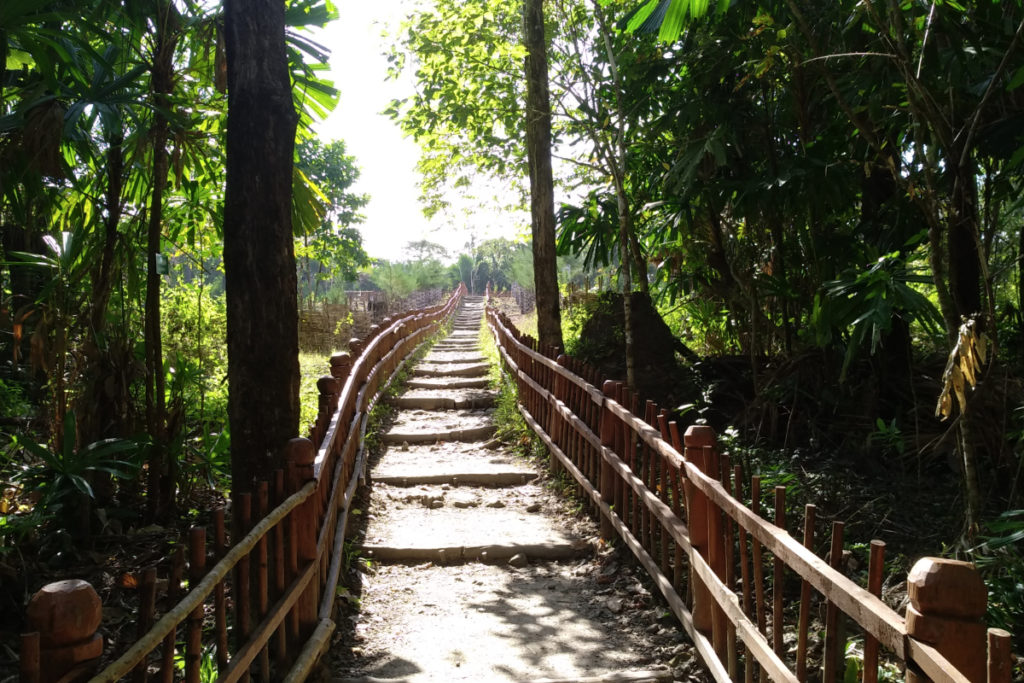
You can reach Baratang from Port Blair either by government buses or by private cabs arranged through local tour operators. From the Baratang Jetty, the Mud Volcano is around 7 kilometers away. Visitors can take a jeep or car from the jetty and then walk a short distance along a rocky trail to reach the site.
It’s important to carry drinking water, snacks, sunscreen, and appropriate footwear, as the area lacks basic amenities. The visit offers not just scenic beauty but also a peek into the dynamic natural processes that shape our planet.
Best Time to Visit Mud Volcano in Baratang
The best time to visit is during the dry season (November to April) when the weather is more pleasant and the trails are easier to navigate. While the rainy season may enhance volcanic activity due to higher ground moisture, it can also make the terrain slippery and challenging. Always check the local weather forecast and plan your trip accordingly for a safer and more enjoyable visit.

 Mud Volcano, Baratang, North Andaman